Accountability Without Humiliation
Good accountability is clear, voluntary, and specific. It names missed commitments without shame, turns excuses into next actions, and keeps dignity intact.
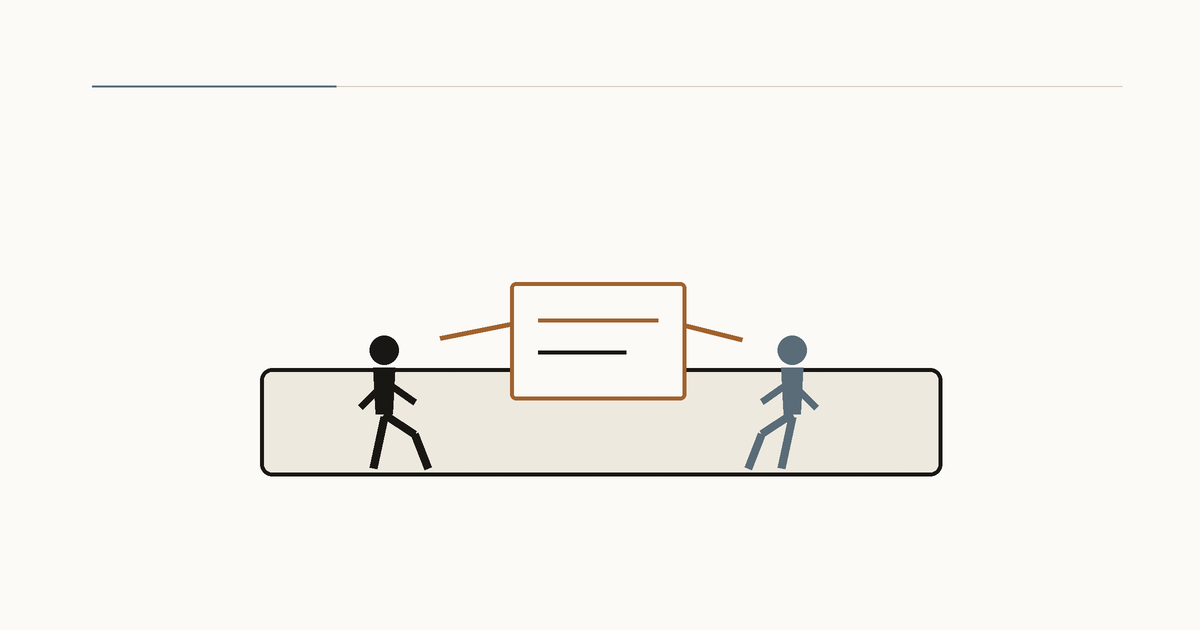
What is accountability without humiliation? A voluntary, specific agreement: name the commitment, ask what happened, distinguish obstacles from excuses, and choose the next action. It holds the record firmly without turning a missed promise into a verdict on the person.
Accountability has acquired a bad reputation because many people have only seen its counterfeit: public shaming, status games, or one loud man making everyone else confess on command. That is not accountability. It is humiliation wearing the clothes of standards.
Accountability asks, "What did you say you would do, what happened, and what happens next?" Humiliation asks, "What is wrong with you?"
Make the agreement before the failure
Useful accountability is consensual and concrete. Before anyone is held to anything, they name the commitment, the time frame, and the kind of follow-up they want. I will call my brother by Thursday. Ask me on Friday whether I did it. This is different from giving someone permission to inspect your life. The agreement is limited, mutual and clear.
A good witness does not soften the record, but neither do they turn it into a verdict. If the call was not made, say so. Ask what got in the way. Listen for the difference between an obstacle that needs a redesign and an excuse that needs to be named. Then return to the next action.
Jocko Willink's strongest contribution here is what must happen before consequences. The leader checks whether the standard was understood, why it mattered, whether training and resources were adequate, and whether support was actually given. Pre-emptive ownership moves accountability upstream: repair the conditions that made the miss predictable before treating the person as the problem.
Use facts before stories
When a commitment is missed, start with the observable fact: You said you would do this by Thursday. It is Friday. Did it happen? Avoid the prosecutorial tone and the therapy-speak alike. A simple yes or no makes it harder to hide in a long explanation. The explanation can come second, only if it helps build a better plan.
Then ask: What will make the next attempt more likely? Perhaps the task needs to shrink, move earlier, be scheduled with another person, or be replaced by a more honest commitment. Accountability should improve the design of a man's life, not merely increase the volume of his self-criticism.
Challenge and care belong together
Care without challenge becomes indulgence. Challenge without care becomes domination. The combination is rarer: a man who can say, I believe you; I also noticed you did not do what you said. That sentence protects dignity precisely because it refuses the lie.
In a group, rotate the witness role and keep the group small. Four to eight people is enough for real memory and little enough that nobody can disappear behind the room. Do not use disclosures as currency. Do not make trauma a prerequisite for belonging. Confidentiality, voluntary participation and a clear exit are basic conditions, not niceties.
The Brotherhood Circle rite gives this a repeatable meeting format: arrive, account, name the edge, receive witness, make one commitment, close. The standard is serious; the person remains intact. If you are starting alone, begin with one witness through the 7-Day Rite.
Source route: Wiki Jocko Willink and Jocko Willink Public Source Map. Nine Rites retains the stricter boundary: ownership can identify leverage, but it must never erase abuse, structural constraints, consent or safety.
For the inward-facing distinction between fault, agency and shame, see Responsibility Without Humiliation. This article remains the interpersonal practice: how one person holds another to a commitment without turning the process into a judgement of worth.
Your life does not need another insight. It needs a threshold.
Join the waitlist for future Nine Rites pilot updates. No programme is currently open for enrolment.
Join the waitlist →Not ready? Start with the free 7-Day Practice.