How to Be a Present Father Without Performing It
Fatherhood presence is not grand gestures or constant availability. It is repeatable, undistracted attention, repair after misses, and a rhythm your child can trust.
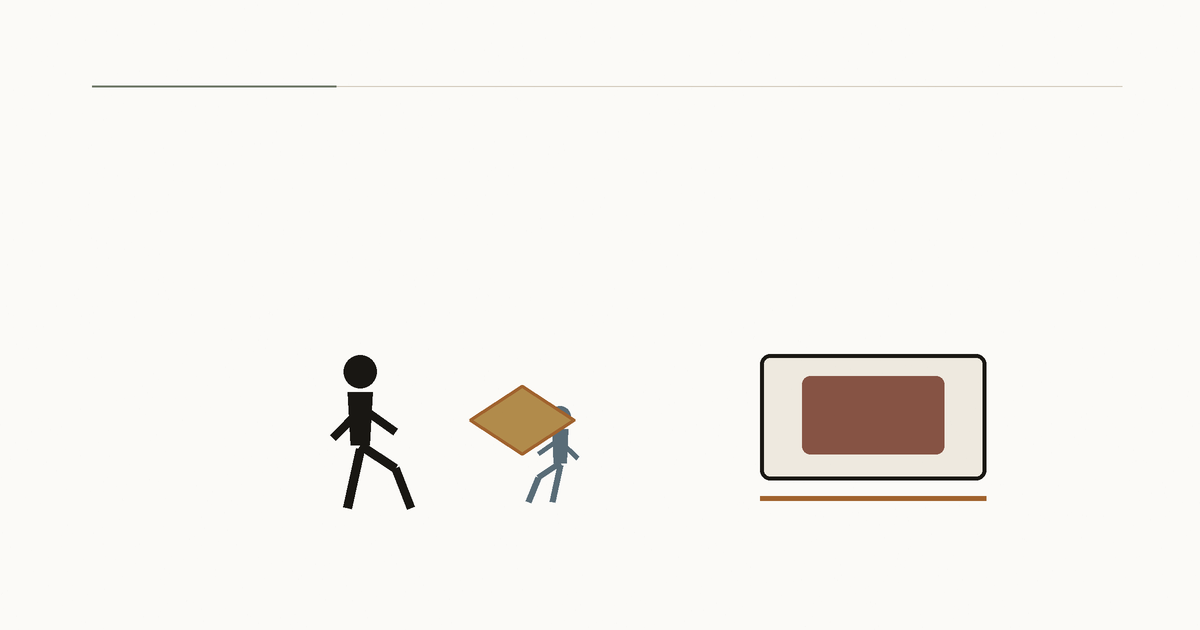
How can a father be present without performing it? Build a pattern: 15–20 minutes of undistracted attention daily, one child-co-chosen weekly ritual, and a clean repair when you miss it. Presence is not a grand gesture; it is attention a child can safely expect.
Many fathers know they need to be more present and immediately turn it into another performance target: the perfect weekend, the elaborate outing, the photograph that proves they showed up. Children rarely need a father who manufactures moments. They need one whose attention is reliable enough that they do not have to earn it.
Presence is not an event. It is a pattern a child can feel safe expecting.
Stop trying to make every moment count
The pressure to make every interaction meaningful is one reason fathers retreat into work, phones or logistics. It is exhausting and, usually, unnecessary. Presence is often ordinary: sitting beside them while they draw, hearing the long version of a story, walking to the shop without a device in your hand. The standard is not intensity. It is undivided attention for a small, dependable stretch.
Choose fifteen to twenty minutes each day when your phone is out of reach. Let the child lead where practical. Ask one real question, and do not rush to improve, correct or teach. If they show you something, notice it before you evaluate it. A child who regularly experiences this does not need a weekly spectacle to conclude that they matter.
Be a safe return and a secure base
Attachment theory gives presence two functions. A child needs a safe haven when frightened, hurt or overwhelmed, and a secure base from which to explore, attempt and fail. A father can provide both comfort and challenge; neither function belongs exclusively to one parent.
Mary Ainsworth's observational frame makes the standard practical: notice the signal, read it with reasonable accuracy and respond promptly and proportionately. This is not mind-reading and it is not instant compliance with every request. It means remaining curious enough to discover whether the child needs comfort, help, a limit, space or confidence to try again.
Connection before correction is conditional, not permissive. Immediate danger, hitting or destructive behaviour may require the adult to establish safety first with few words. Once safety is held, contact makes later teaching more usable.
Build a rhythm, not a highlight reel
A fixed weekly ritual gives presence a shape that survives busy periods. It can be simple: Saturday breakfast, a walk after school, making one meal together, a library visit, a weekly call when you live apart. The child should co-choose part of it. The point is not the activity. The point is that it happens often enough to become part of their map of you.
Protect the ritual as you would a meeting that affects your work. That does not mean never moving it; family life is real. It means that when it must move, you name it, reschedule it and return. Reliability is a form of love children can understand before they can explain it.
Put your own unfinished business down
Children can feel when a father is physically near but mentally arguing with an email, a financial worry or his own childhood. You do not need to arrive perfectly calm. You do need to avoid making the child carry the weather inside you. A short transition helps: a walk around the block, a shower, three minutes sitting in the car without the phone. Arrive on purpose rather than bringing the day in at full volume.
When you miss it, because you will, repair without theatre. Say what happened: I was here, but I was not listening. I am sorry. Can we start again? The repair does not make absence ideal. It makes return normal.
What children remember
They may not remember the expensive day out. They often remember the repeated thing: the question you always asked, the way you listened, the ritual that was theirs. That is not a reason to do less. It is a reason to stop confusing scale with care.
The full structure, a daily undistracted stretch, a weekly ritual per child and repair within 24 hours, is the Father Presence rite. Start there, or take the 7-Day Rite if you need one small promise to keep before the month begins.
Boundary: attachment language here describes caregiving functions, not a diagnosis of a child, parent or relationship. Persistent fear, violence, threats, neglect or dysregulation the family cannot safely contain require appropriate professional or safeguarding support.
Your life does not need another insight. It needs a threshold.
Join the waitlist for future Nine Rites pilot updates. No programme is currently open for enrolment.
Join the waitlist →Not ready? Start with the free 7-Day Practice.
Fatherhood specifically? Take the 3-minute Fatherhood Drift Test.