A Clean Apology Is Only the Opening
A useful apology names the behaviour and impact, gives no excuse, states the repair, and never demands forgiveness. Words open the door; conduct carries the proof.
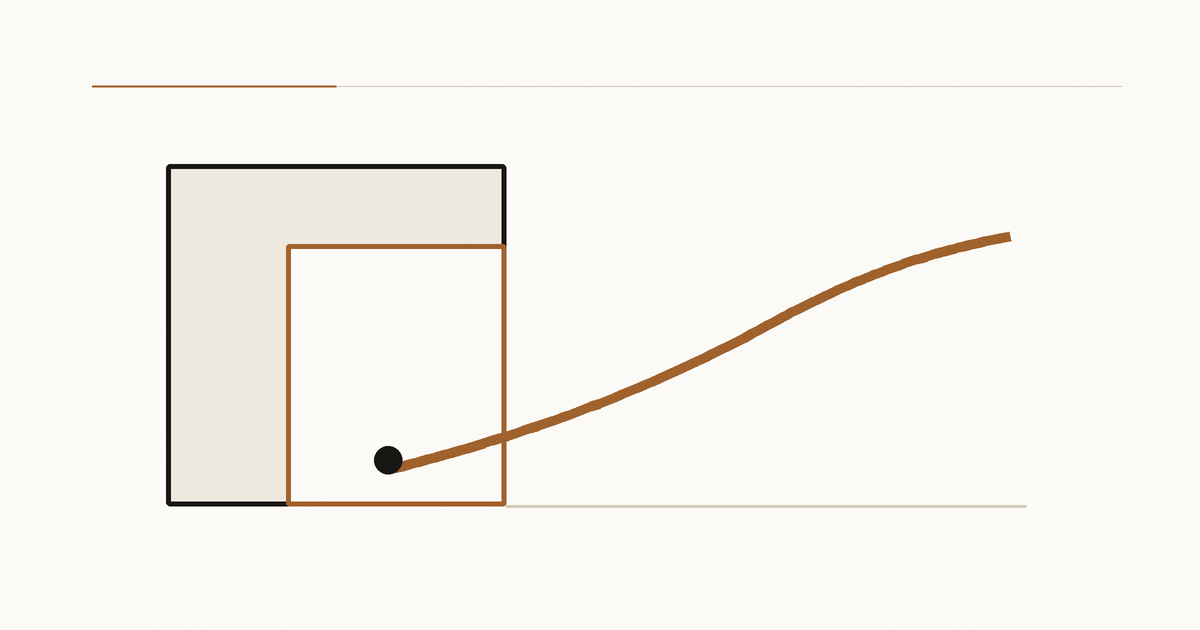
What makes an apology real? A useful apology names the behaviour and likely impact, gives no excuse, states the repair and does not demand forgiveness. Its credibility comes from prompt return and changed conduct. Words open the door; follow-through decides whether trust can walk through it.
Some apologies are attempts to end the conversation.
They explain intention, display remorse and quietly ask the harmed person to provide relief. The speaker feels exposed, so the apology itself begins to look like sufficient payment.
It is not.
A clean apology matters because it removes defence long enough for responsibility to become visible. It is the opening act of repair, not the evidence that repair is complete.
Name what happened
Start with behaviour, not identity.
Not: I am a terrible person.
Not: I am sorry you felt that way.
Not: I only did it because you...
Name what you did in terms another person could recognise. Then name the likely impact without using your intention to overrule their experience.
A clean repair has five parts:
- Name the behaviour.
- Name the likely impact.
- Apologise without excuse.
- State what you will do differently.
- Do not demand forgiveness.
This is precise without becoming self-abasement. Shame asks what is wrong with you. Accountability asks what happened, who paid for it and what changes now.
Return promptly
Delay gives defensiveness time to write a persuasive brief.
The 24-hour repair rule is not a demand for instant reconciliation. It is a rule against indefinite avoidance. Return to the rupture promptly enough to show that the relationship matters more than winning the internal argument.
Sometimes the correct first return is brief: I handled that badly. I need to think clearly about the impact, and I will come back tomorrow.
That is better than a rushed apology designed to stop discomfort. The standard is prompt ownership, not forced emotional closure.
Changed conduct makes the words credible
An apology is cheap when the next scene is identical.
The repair action should be visible and proportionate:
- lower the volume and pause sooner next time;
- replace the broken item;
- correct the false statement;
- keep the commitment that was neglected;
- change the condition that made repetition likely;
- accept a boundary or consequence without retaliation.
The person harmed may still decline contact or forgiveness. Repair does not purchase access. Their agency remains intact.
What you can govern is whether the apology changes your conduct.
Empathy does not erase accountability
Understanding why a behaviour happened can improve the repair. Fatigue, fear, learned patterns and pressure are real causes. They can identify which condition needs to change.
They do not make the impact imaginary.
Compassion should increase precision: less identity-level condemnation, more accurate causal review, clearer consequence and better prevention.
The standard
Do not measure an apology by how emotional it sounded. Measure it by three questions:
- Was the behaviour owned clearly?
- Was the repair attempted promptly?
- Did anything observable change?
The apology opens the door. Conduct carries the proof.
For the full practice, use The Repair Rite.
Safety boundary: repair is not forced contact, self-abasement or a route around another person's boundary. Abuse, coercion, threats and unsafe situations require protection and qualified support. Nine Rites is not therapy and does not replace professional support.
Your life does not need another insight. It needs a threshold.
Join the waitlist for future Nine Rites pilot updates. No programme is currently open for enrolment.
Join the waitlist →Not ready? Start with the free 7-Day Practice.