Responsibility Without Humiliation
Responsibility is not a verdict about your worth. It is an account of what happened, what part was yours and what response is available now.
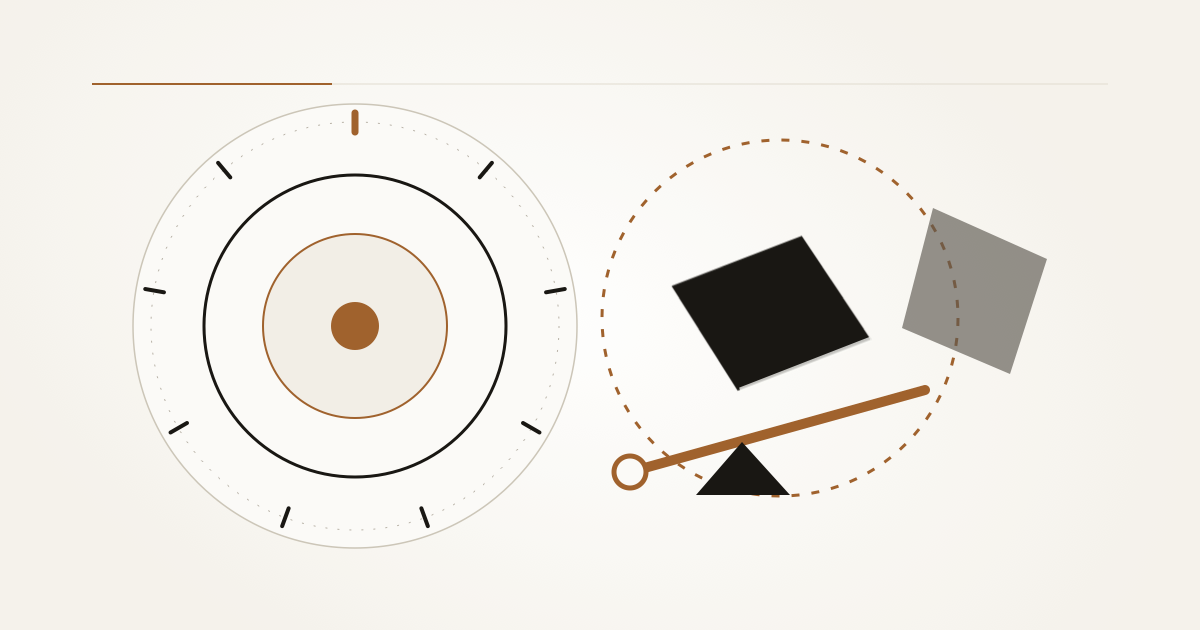
What separates responsibility from shame? Responsibility asks what happened, what part was yours and what response is available now. Shame asks what is wrong with you. If taking responsibility produces only shame, you have found a punishment rather than a lever.
Something goes wrong. A promise is missed. A relationship is damaged. A team fails.
The first question is usually: Whose fault was it?
Sometimes that matters. Fault can establish causality, justice and consequence. But it is a poor place to live. Stare at it for too long and responsibility splits into two counterfeits. One person blames everyone else. Another blames himself for everything. Neither has yet decided what to do.
There is a better question:
What part of this is mine to carry now?
Responsibility is jurisdiction, not guilt
Fault looks backwards. It asks who caused the event.
Responsibility looks at the present. It asks who can act, repair, prepare, protect or tell the truth now.
Those questions overlap, but they are not the same. You can cause harm and refuse responsibility for repairing it. You can also inherit a problem you did not cause and still have responsibility for the next response. Illness, a damaged institution, another person's betrayal and a childhood wound can all place work in your hands without making you guilty of creating them.
This is the useful centre of Mark Manson's fault-versus-responsibility distinction and Jerzy Gregorek's idea of responsibility as clarity. Moral accounting names the past. Agency begins when the accounting reveals a present lever.
The distinction matters because responsibility should increase your ability to respond. If it only increases the number of reasons you hate yourself, it has been mistranslated.
Extreme ownership is a search rule
Jocko Willink's phrase "Extreme Ownership" sounds absolute. Taken literally, it can become absurd or cruel. No leader controls weather, illness, another adult's choices, structural injustice or random tragedy. A person is never responsible for another person's abuse of them.
The stronger reading is operational: before blaming the environment or another person, search your own jurisdiction for leverage.
What did you fail to explain? What skill was never trained? What warning did you ignore? Which resource was missing? What standard did you tolerate? Where did ego make you reject information? What could you prepare before the same conditions return?
This is why pre-emptive ownership is better than eloquent remorse. The most useful apology may be the checkpoint, training, boundary or changed behaviour that stops someone else paying the same cost again.
Extreme Ownership is therefore not a claim that everything is your fault. It is a refusal to stop the search for your contribution too early.
Shame feels serious because it hurts
Self-humiliation is often mistaken for accountability because pain looks like payment.
A man admits a mistake, calls himself useless and spends the evening replaying it. The intensity feels moral. Surely someone who feels this bad must be taking the failure seriously.
But shame keeps attention fixed on the self. It asks, What does this prove about me? Responsibility asks, Who carried the cost, and what changes now?
That difference is practical. "I am unreliable" is a global verdict with no completion signal. "I missed the payment, I will make it today, apologise to the person affected and automate the next one" is an account of reality.
The shame, guilt and humiliation distinction helps here:
- Guilt says a specific action violated a value. It calls for repair.
- Shame says the action reveals a defective person. It often produces hiding or performance.
- Humiliation says someone treated you unfairly. It may call for validation, a boundary, documentation, help or exit.
Accurate emotional bookkeeping matters. Forcing guilt onto humiliation can make a harmed person responsible for the harm. Treating guilt as shame can turn a repairable act into an identity crisis. Responsibility begins by naming the right category.
Own your part without stealing anyone else's
False responsibility is not noble. It distorts the record.
Taking ownership of another adult's conduct can protect them from consequences while giving you the illusion of control. A leader who accepts blame for every subordinate decision may never train the team to carry judgement. A partner who accepts responsibility for another person's contempt may become easier to mistreat. A son who believes he caused a parent's instability may organise adulthood around repairing a past that was never his to command.
The boundary is simple to state and hard to practise:
Own your contribution, your influence and your next response. Name external causality accurately.
This is also the resolution of Wound Before Will Vs Will Despite Wound. Understanding a wound can make action possible. It should not become a courtroom in which history must be acquitted before life can continue. Equally, action language should never be used to rush a person past trauma, grief, abuse, illness or exhaustion.
Sometimes the responsible act is to persist. Sometimes it is to ask for help, leave, document, rest, seek treatment or admit that willpower is the wrong tool.
Leaders carry more responsibility, not more shame
Leadership makes the distinction sharper because power changes who can alter the conditions.
When performance falls short, the leader should inspect clarity, training, resources, workload, support and the reason behind the standard before reaching for consequences. That is not softness. It prevents the leader from assigning moral failure to someone who was placed inside a badly designed system.
Accountability may still be necessary. A clear standard can be understood, supported and repeatedly refused. Consequence then protects the team. But accountability used before leadership is examined is often blame travelling down the hierarchy.
The leader takes asymmetric responsibility because they possess asymmetric leverage. The point is not to feel worse than everyone else. It is to improve the conditions everyone else must work inside.
A five-question responsibility check
When a failure, conflict or grievance keeps looping, write five plain answers:
- What happened? Use observable facts, not a character story.
- What did I cause or contribute? Name the specific act, omission or condition.
- What was not mine to control? Keep other people's conduct, chance and structural conditions visible.
- What is mine to influence now? Choose repair, preparation, boundary, support or acceptance.
- What one action would count as evidence? Put it in a time and place.
Then act once before reopening the case.
This is not a new protocol. It is the logic already governed by The Weekly Responsibility Audit and the Self-Command Reset. The audit separates control, influence and no control. The rite turns one owned response into visible proof.
The harder standard
Responsibility without humiliation is not responsibility made gentle enough to escape consequence. It is responsibility made precise enough to produce change.
It refuses four comforts at once:
- blaming other people for every part of the problem;
- blaming yourself for parts you never controlled;
- using shame as a substitute for repair;
- using context as a reason never to act.
The result is less dramatic than self-condemnation and more demanding. You must tell the truth about causality. You must protect dignity without protecting excuses. You must find your part without taking possession of everyone else's.
A responsibility audit is not a trial of your character. It is an appointment with reality.
The point is not to carry more blame. It is to carry your part of reality well enough that someone else no longer has to.
Source and Safety Boundary
This article is a Nine Rites synthesis from Wiki Jocko Willink, Personal Responsibility As Clarity, Stoicism Values Ryan Holiday Mark Manson Kalibra Operational Wiki, Vulnerability Shame Brene Brown Kristin Neff Kalibra Operational Wiki and the contradiction layer. It does not treat military leadership doctrine as universal evidence, replace therapy or professional support, or assign responsibility for abuse, coercion, illness, trauma or structural harm to the person experiencing them.
For interpersonal accountability, use the companion article Accountability Without Humiliation. For the practical weekly exercise, use The Weekly Responsibility Audit.
Your life does not need another insight. It needs a threshold.
Join the waitlist for future Nine Rites pilot updates. No programme is currently open for enrolment.
Join the waitlist →Not ready? Start with the free 7-Day Practice.